

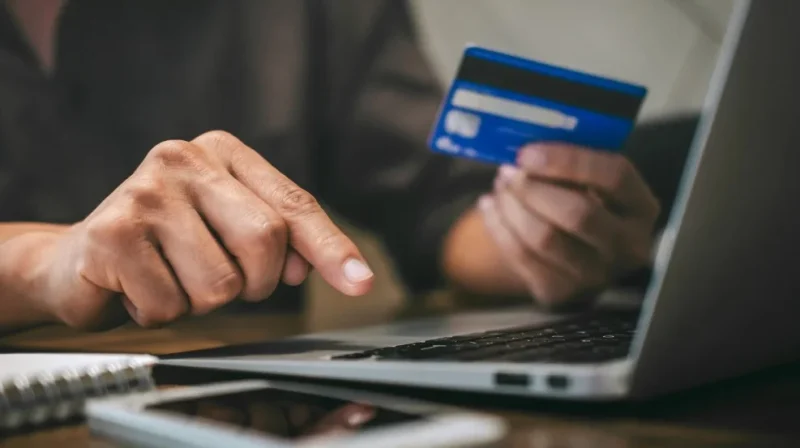
UK consumers continue to show a strong preference for credit cards for certain online purchases. Despite the growth of digital wallets and buy-now-pay-later options, credit cards remain one of the most trusted methods for completing online transactions.
Convenience, security, and flexibility contribute to this ongoing reliance, shaping how people interact with e-commerce platforms across the country, even though debit cards and digital wallets account for a larger share of total online spending.
Credit-card activity has remained substantial into 2026. UK Finance recorded 402 million credit-card transactions by UK cardholders in April 2026, with total spending reaching £22 billion—3.3% higher than in April 2025.
However, 47.3% of outstanding credit-card balances were incurring interest, showing that convenience and consumer protection must be considered alongside the potential cost of borrowing.
Updated on 29.07.2026
Why UK Consumers Prefer Credit Cards for Online Spending?
Trust in Digital Payments

Security concerns dominate consumer choice when it comes to online transactions. Credit cards often provide protections that other payment methods do not, such as fraud monitoring, chargeback rights, and zero liability policies.
Consumers feel more confident entering their credit card details on websites with familiar payment gateways, knowing that disputes can be resolved quickly if something goes wrong.
Ease of monitoring credit card transactions also builds trust. Many consumers use credit card statements to track purchases, spotting irregular charges before they become problematic.
This level of control is not always available with alternative payment systems, reinforcing why credit cards remain a preferred option for many online transactions.
One of the strongest reasons for using a credit card is Section 75 protection under the Consumer Credit Act 1974.
Where an eligible item costs more than £100 and no more than £30,000, the card provider may share responsibility with the seller if there has been a breach of contract or misrepresentation. This may apply even when only part of the purchase is paid using the credit card.
For purchases below the Section 75 threshold, consumers may still be able to request a chargeback through their card provider.
Chargeback can be useful when an item does not arrive or a merchant fails to provide the agreed service, although it operates through card-scheme rules rather than offering the same statutory protection as Section 75.
Convenience and Familiarity
Credit cards offer a level of convenience that newer payment methods struggle to match. Many people already have cards linked to rewards or loyalty programmes, simplifying the checkout process.
This familiarity reduces friction during online transactions, encouraging repeated use. Even in sectors unrelated to shopping, such as entertainment, consumers often prefer credit card payments. For instance, in the iGaming industry, many people still search for the best casinos that accept credit card deposits.
They allow users to deposit instantly, enjoy bonuses, and play games with minimal setup, all while knowing they can manage payments securely through their card provider.
The seamless integration of credit cards into mobile wallets and browser autofill tools adds to this convenience. Shoppers can complete online transactions with minimal effort, saving time and reducing the risk of errors. This ease of use keeps consumers returning to credit cards, even when debit cards or digital wallets are also widely available.
Protection Against Fraud
Fraud protection continues to influence the decision to use credit cards for online transactions. Advanced monitoring systems detect unusual activity and alert consumers in real time. In cases where purchases are fraudulent, credit card issuers typically offer clear procedures for reimbursement, giving users confidence in making online transactions.
This support extends to disputed transactions, unauthorised charges, and identity theft scenarios, providing peace of mind that is difficult to replicate with other payment methods.
Consumers also benefit from layers of authentication, including two-factor verification and one-time passcodes, which add security during online checkout.
Many cards come with additional fraud insurance that covers unauthorised purchases, travel-related expenses, or digital subscription services. Digital-only options sometimes lack these established protections.
While some e-wallets provide safeguards, they may not cover all circumstances or offer the same transparency as traditional credit card providers. For people wary of online scams, this makes credit cards the default choice for online transactions requiring trust and accountability.
Consumers should still act promptly when they notice an unfamiliar transaction. They should contact their card provider, freeze the card where appropriate and retain receipts, emails and other evidence relating to the purchase.
Fraud monitoring can identify unusual activity, but customers should not assume that every scam, merchant dispute or authorised payment will automatically be reimbursed.
The protection available can also depend on how the payment was processed. Using an intermediary or certain electronic-wallet arrangements may affect whether the direct relationship required for a Section 75 claim exists.
Customers making an expensive purchase should therefore check the payment route and applicable protection before completing the transaction.
Budget Management and Oversight

Consumers often rely on credit cards to manage their finances. Statements provide a detailed record of spending across multiple platforms, helping users identify trends and control budgets effectively. In 2024, UK consumers spent £249 billion using credit cards, showing that many continue to trust them for everyday purchases and online transactions.
With many cards offering digital tracking tools or integration with financial apps, users can set spending limits, receive alerts, and categorise transactions automatically, giving them a clear view of where their money goes.
Credit cards also allow users to defer payment while maintaining access to goods or services. This flexibility appeals to shoppers looking to manage cash flow without disrupting daily spending.
Some cards offer interest-free periods that can provide breathing room between purchase and payment, which is especially valuable during busy shopping periods or when balancing multiple bills. By keeping transactions consolidated under a single provider, users gain clarity that is not always possible with split payment methods or multiple accounts.
The ability to review detailed monthly reports also helps with long-term budgeting and planning, reinforcing the appeal of credit cards for online transactions.
The £249 billion recorded for UK credit-card transactions in 2024 should not be described solely as consumer purchases. UK Finance states that the total also includes cash withdrawals and balance transfers.
Nevertheless, the figure was 5.3% higher than in 2023 and confirms that credit cards remain an important part of the wider UK payments market.
Flexibility can become expensive when balances are carried from month to month. Paying only the required minimum may keep an account up to date, but it can result in substantial interest and extend the repayment period considerably.
Consumers who can afford to do so can generally avoid most purchase interest by clearing their full statement balance each month.
Rewards and Incentives
Many UK consumers continue to prefer credit cards because of rewards programmes. Points, cashback, and other benefits encourage regular use, making the card itself more appealing than the purchase method alone.
Some cards provide tiered rewards that increase value based on spending categories, creating further incentive for users to choose credit cards for everyday online transactions. These incentives often create a positive feedback loop, motivating users to continue shopping online while maximising benefits.
Retailers and service providers support this behaviour by offering exclusive deals for credit card holders. Promotions, limited-time offers, and loyalty bonuses make the payment method itself a part of the overall shopping experience. Special access to early sales or partner discounts further adds to the perceived value of credit card usage.
Consumers often see these benefits as additional security when spending online because rewards can offset the cost of minor issues such as delivery delays or minor service disputes. This combination of convenience, financial control, and tangible rewards strengthens consumer attachment to credit cards over other payment methods.
Compatibility Across Platforms
Credit cards remain widely accepted across virtually all online platforms. Approximately 26% of online transactions in the UK are made using credit cards, reflecting strong usage and consumer confidence, even though debit cards and digital wallets are used more frequently overall.
Many international merchants and subscription services are also optimised for credit card payments, ensuring smooth transactions across borders. This makes it easier for UK consumers to engage in a wider range of online transactions without having to set up multiple payment accounts.
Credit cards are also commonly used for recurring digital services such as streaming subscriptions, memberships and software plans. Customers can ask either the business or their card issuer to cancel a recurring card payment. Once the issuer has been instructed to stop it, subsequent payments are generally treated as unauthorised and should be refunded.
Stopping the payment does not necessarily cancel the underlying contract, however. Customers may still owe money where they have not followed the provider’s cancellation terms, making it important to cancel both the payment authority and the service agreement properly.
When Is a Credit Card Most Useful Online?
A credit card may be particularly useful for higher-value purchases, advance travel bookings, electronics, furniture or transactions with unfamiliar retailers, where Section 75 protection could provide an additional route to redress.
It may be less suitable when the customer is unlikely to clear the balance, when cash-withdrawal charges apply or when a promotional reward is outweighed by interest and fees. Rewards and buyer protection provide genuine value only when the card is managed carefully and payments remain affordable.
Consumers should compare the annual percentage rate, fees, interest-free period and eligibility conditions rather than selecting a card solely because it offers cashback or points. Spending alerts, payment reminders and a Direct Debit for at least the minimum amount can also reduce the risk of missed payments.
Final Thoughts
This broad acceptance also influences trust and perception. Users feel reassured knowing they can use a familiar payment method across multiple sites without encountering compatibility issues. Regular exposure to seamless online transactions reinforces the perception of reliability and convenience, which encourages continued reliance on credit cards.
Consistency in processing, refunds, and customer support further contributes to this confidence, particularly when users interact with niche platforms or emerging online services. The stability offered by credit cards positions them as the default choice for consumers who value reliability, simplicity, and control in their online transactions.