
Last Updated on 21.09.2026
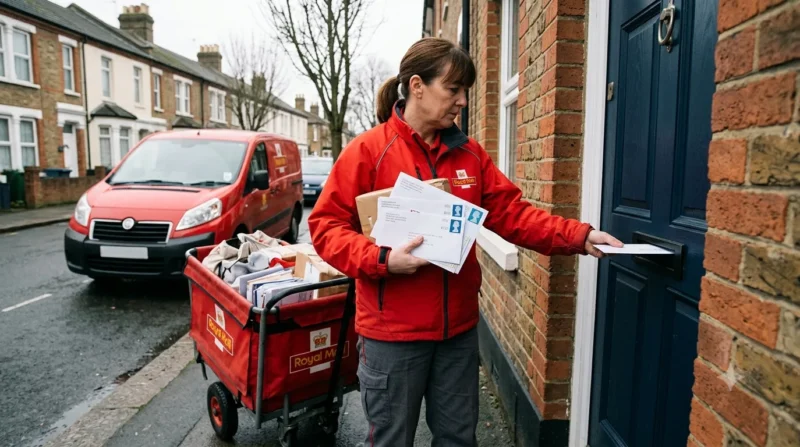
Royal Mail postage costs in 2026 have changed across several services, with higher prices affecting letters, parcels and premium delivery options.
The main annual increase took effect on 7 April 2026, with further changes due from 5 October for parcels, Tracked services, Signed For and Special Delivery.
Standard 1st and 2nd Class letter prices are not included in the October increase, but online, Post Office and Mailmark rates can still differ. Businesses should therefore compare prices based on parcel size, weight and service type.
This guide covers the current Royal Mail postage costs 2026, October changes, surcharges, size limits and ways to reduce mailing costs.
Which Royal Mail Price Applies To You?
One of the most confusing parts of Royal Mail pricing is that there is no single price for every sender. The amount depends partly on how postage is purchased.
| Payment Method | 1st Class Letter | 2nd Class Letter | 1st Class Large Letter 100g | 2nd Class Large Letter 100g |
| Stamp/Post Office | £1.80 | £0.91 | £3.30 | £1.55 |
| Online | £1.80 | £0.91 | £3.20 | £1.55 |
| Mailmark Franking | £1.77 | £0.88 | £2.86 | £1.52 |
Online prices apply to postage bought through services such as Click & Drop and supported online marketplace channels. Mailmark rates apply to businesses using compatible franking machines.
Royal Mail’s October Mailmark wallchart states that there will be no Mailmark franking price change on 5 October 2026, despite changes affecting several consumer parcel services.
Businesses unfamiliar with the dispatch process can also check the steps involved in sending a parcel with Royal Mail before comparing different payment methods.
What Changes On 5 October 2026?
The October update mainly affects parcels and premium delivery services rather than ordinary letters.
For postage bought online, a Small Parcel up to 2kg rises from £5.15 to £5.70 by 1st Class and from £3.95 to £4.40 by 2nd Class. Royal Mail Tracked 24 rises from £4.65 to £4.80 for the same parcel size, while Tracked 48 moves from £3.65 to £3.75.
That creates an interesting pricing difference. From 5 October, online Tracked 24 at £4.80 will remain cheaper than online 1st Class at £5.70 for a Small Parcel up to 2kg.
Tracked 48 at £3.75 will also be below online 2nd Class at £4.40. Businesses should therefore compare the service itself rather than assuming standard postage is always cheapest.
Special Delivery Guaranteed by 1pm is also increasing. Online postage for an item up to 100g with up to £750 compensation rises from £9.45 to £9.85. The £1,000 compensation option moves from £12.45 to £12.85, while the £2,500 option rises from £19.45 to £19.85.
Royal Mail Price Changes Throughout 2026
Royal Mail has made several separate changes during the year rather than introducing one annual price update.
| Date | 2026 Change |
| 5 January | Fuel Surcharge renamed Fuel and Energy Surcharge and increased from 8% to 11% |
| 2 February | Subscription Mail prices changed |
| 30 March | New Door to Door prices took effect |
| 7 April | Main domestic, international, franking, parcel and letter price changes took effect |
| 3 May | Royal Mail Fuel and Energy Surcharge increased to 16%, Parcelforce to 13%, and International Surcharge to 12% |
| 1 July | New EU customs duty requirements and associated handling arrangements began |
| 3 August | Business Keepsafe up to 100 days increased to £121 |
| 5 October | Parcel, Tracked, Signed For, Special Delivery and selected business prices change |
| 2 November 2026–10 January 2027 | Peak Surcharge applies to eligible business-account products |
How Have Stamp Prices Changed Since 2024?
The previous comparison needs an important clarification because the 1st Class stamp price changed twice during 2024. It was £1.35 from 2 April before rising to £1.65 on 7 October.
| Effective Date | 1st Class Letter | 2nd Class Letter |
| 2 April 2024 | £1.35 | £0.85 |
| 7 October 2024 | £1.65 | £0.85 |
| 7 April 2025 | £1.70 | £0.87 |
| 7 April 2026 | £1.80 | £0.91 |
Royal Mail Parcel Size And Weight Limits
Postage costs depend on both weight and dimensions. A parcel that crosses into the next size category can cost significantly more.
| Format | Maximum Dimensions | Maximum Weight |
| Letter | 240 × 165 × 5mm | 100g |
| Large Letter | 353 × 250 × 25mm | 750g |
| Small Parcel | 450 × 350 × 160mm | 2kg |
| Medium Parcel | 610 × 460 × 460mm | 20kg |
These limits are confirmed in Royal Mail’s 2026 price guide. Businesses can check the wider rules around Royal Mail parcel sizes before ordering packaging in bulk.
International Royal Mail Prices And EU Customs
Current online international prices start from £3.40 for International Standard letters, £8.10 for International Tracked and £8.50 for International Tracked & Signed. Prices increase according to destination, size and weight.
EU customs rules also changed from 1 July 2026. Royal Mail says new duty requirements apply to goods entering the EU, while genuine consumer-to-consumer gifts worth €45 or less remain exempt. A €3 duty can apply to qualifying low-value B2C goods, with handling charges potentially depending on the destination and payment arrangement.
Royal Mail’s 12% International Surcharge applies to specified contract business services. It does not apply to International non-contract business or consumer services.
Royal Mail Surcharges Businesses Need To Know
The Fuel and Energy Surcharge is currently 16% for eligible Royal Mail account services. Parcelforce’s rate is currently 13% and is scheduled to rise to 16% from 5 October.
A £10 surcharge plus £1.25 administration charge has also applied since 3 August where certain Business Account Tracked items are incorrectly handed over at a consumer Parcelshop. From 5 October, Parcelforce can apply a £4.15 Manual Handling Surcharge to qualifying items.
During the Peak Surcharge period from 2 November 2026 to 10 January 2027, charges range from 10p for selected Large Letter and letterboxable products to 30p for certain guaranteed services, while Express48 Large carries a £5 charge.
The surcharge applies to specified business-account services rather than ordinary consumer postage.
How Much Can A Small Business Save?
Consider a business sending 500 Small Parcels up to 2kg each month.
| Service | Until 4 October | Monthly Cost For 500 | From 5 October | Monthly Cost For 500 |
| Post Office 2nd Class | £4.25 | £2,125 | £4.60 | £2,300 |
| Online 2nd Class | £3.95 | £1,975 | £4.40 | £2,200 |
| Online Tracked 48 | £3.65 | £1,825 | £3.75 | £1,875 |
The October rates mean Tracked 48 could save £425 a month compared with Post Office 2nd Class in this example while also providing tracking.
VAT treatment should also be considered. Universal services such as 1st and 2nd Class postage are VAT exempt, while some tracked and business products include VAT. VAT-registered businesses should therefore compare the recoverable net cost rather than only the headline price.
Franking can also make sense for businesses sending high volumes of Large Letters. Sending 1,000 First Class Large Letters up to 100g would cost £3,300 at the stamp rate but £2,860 using Mailmark, a difference of £440 before machine rental, ink, labels and other operating costs.
A simple break-even calculation is:
Monthly franking fixed costs ÷ saving per item = items needed to break even.
Royal Mail Vs Other Courier Options
Royal Mail will not always be the cheapest or most suitable option, particularly for larger parcels or businesses needing specialist delivery features.
| Provider | Worth Comparing For |
| Royal Mail | Letters, Large Letters, smaller parcels and nationwide delivery |
| Evri | E-commerce parcels and ParcelShop drop-offs |
| DPD | Tracked business deliveries and timed delivery notifications |
| InPost | Locker-based collection and drop-off |
| Parcelforce | Larger, heavier and express parcels |
Businesses should compare actual parcel dimensions, collection charges, compensation, delivery speed, returns and seasonal surcharges rather than selecting a courier solely from its advertised starting price.
Royal Mail Delivery Changes In 2026
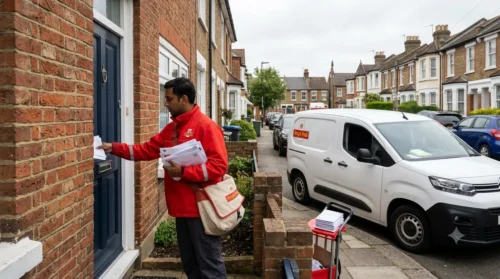
Royal Mail is also introducing changes to letter delivery following Ofcom’s Universal Service reforms. Second Class and other non-First-Class letters are moving to delivery every other weekday, with a target of delivery within three weekdays. The rollout is taking place gradually and is expected to be completed by December 2026.
First Class letters continue to be delivered six days a week with a next-working-day aim. New performance targets effective from April 2026 include 90% of First Class mail arriving the next day and 95% of Second Class mail within three weekdays.
Can You Still Use Old Non-Barcoded Stamps?
Regular non-barcoded definitive stamps are no longer valid for postage, although Royal Mail continues to operate its Swap Out scheme and currently states there is no deadline for exchanging them. Non-barcoded Christmas stamps and qualifying special pictorial stamps remain valid.
Using insufficient postage can also result in a Fee to Pay. For a Letter or Large Letter, Royal Mail currently lists a £1.50 fee for insufficient postage and £2.50 for use of a non-barcoded stamp. Different charges apply when no postage is paid or for parcels.
Conclusion
Royal Mail postage costs 2026 require businesses to look beyond the headline stamp price. Although 1st and 2nd Class letter prices remain unchanged in October, parcel, Tracked, Signed For and Special Delivery costs are increasing.
For regular senders, the largest savings may come from comparing online Tracked services with standard parcel postage, keeping packages within the correct Pricing in Proportion limits and calculating whether Mailmark franking is economical at current mailing volumes.
With another change taking effect on 5 October and Peak Surcharges beginning on 2 November, postage budgets should be reviewed before the busy Christmas trading period.
Frequently Asked Questions
Will First And Second Class Stamp Prices Rise In October 2026?
No change to ordinary 1st and 2nd Class Letter prices has been announced for 5 October. They remain £1.80 and 91p respectively. Parcel prices are changing.
Is It Cheaper To Buy Royal Mail Postage Online?
It often is for parcels. Until 4 October, a 2kg 1st Class Small Parcel costs £5.15 online compared with £5.45 at a Post Office.
Is Royal Mail Tracked Cheaper Than First Or Second Class?
For a Small Parcel up to 2kg bought online, it can be. From 5 October, Tracked 24 is £4.80 versus £5.70 for online 1st Class, while Tracked 48 is £3.75 versus £4.40 for online 2nd Class.
How Much Is The Royal Mail Peak Surcharge?
For affected domestic business-account services, announced charges range from 10p to 30p per item for most Royal Mail products, with different rates for certain Parcelforce services.
Are Franking Prices Changing In October 2026?
Royal Mail’s October Mailmark wallchart states there is no Mailmark franking price change from 5 October 2026.
What Happens If You Underpay Royal Mail Postage?
Royal Mail may require the recipient to pay the shortfall plus the applicable Fee to Pay before the item is released.
What Compensation Does Special Delivery Offer?
Special Delivery Guaranteed by 1pm can be purchased with compensation levels of up to £750, £1,000 or £2,500, with prices varying by parcel weight and chosen cover.